SORRY
FOR THE
GENOCIDE
A documentary journey through the shared history of Namibia and Germany.
PRODUCED BY



DISTRIBUTED BY

WITH SUPPORT FROM

ABOUT
THE FILM
ABOUT THE
FILM
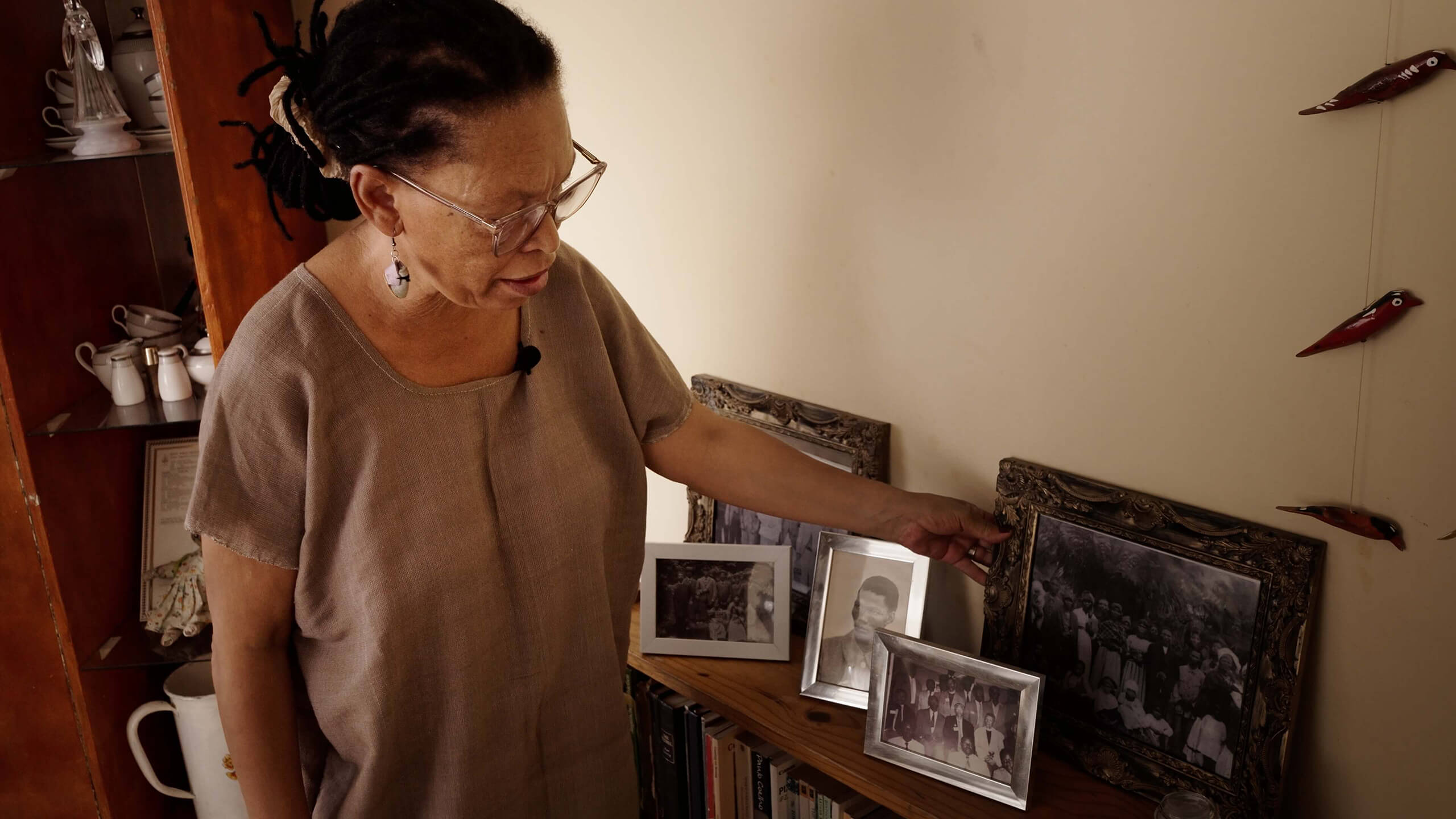
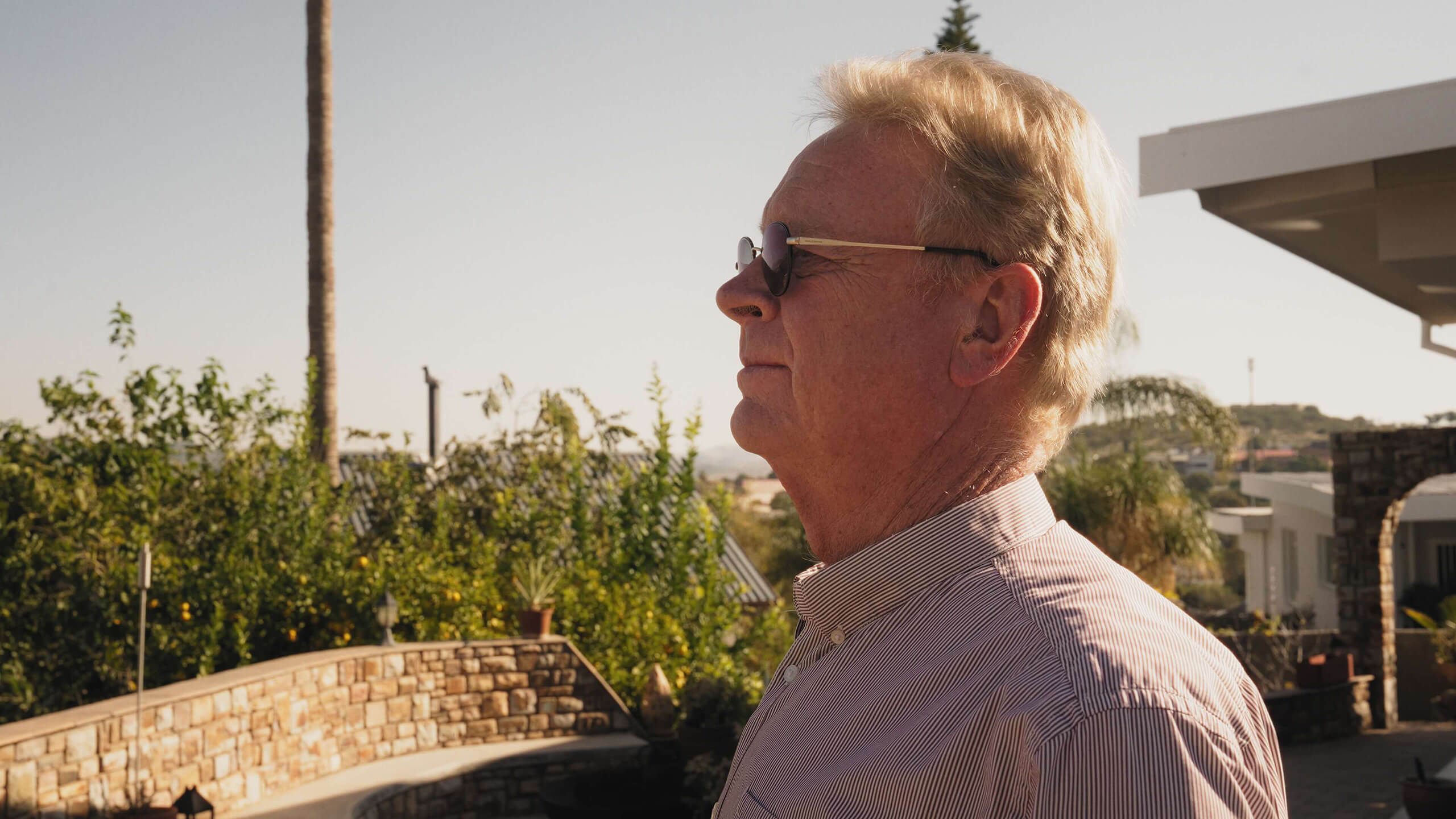
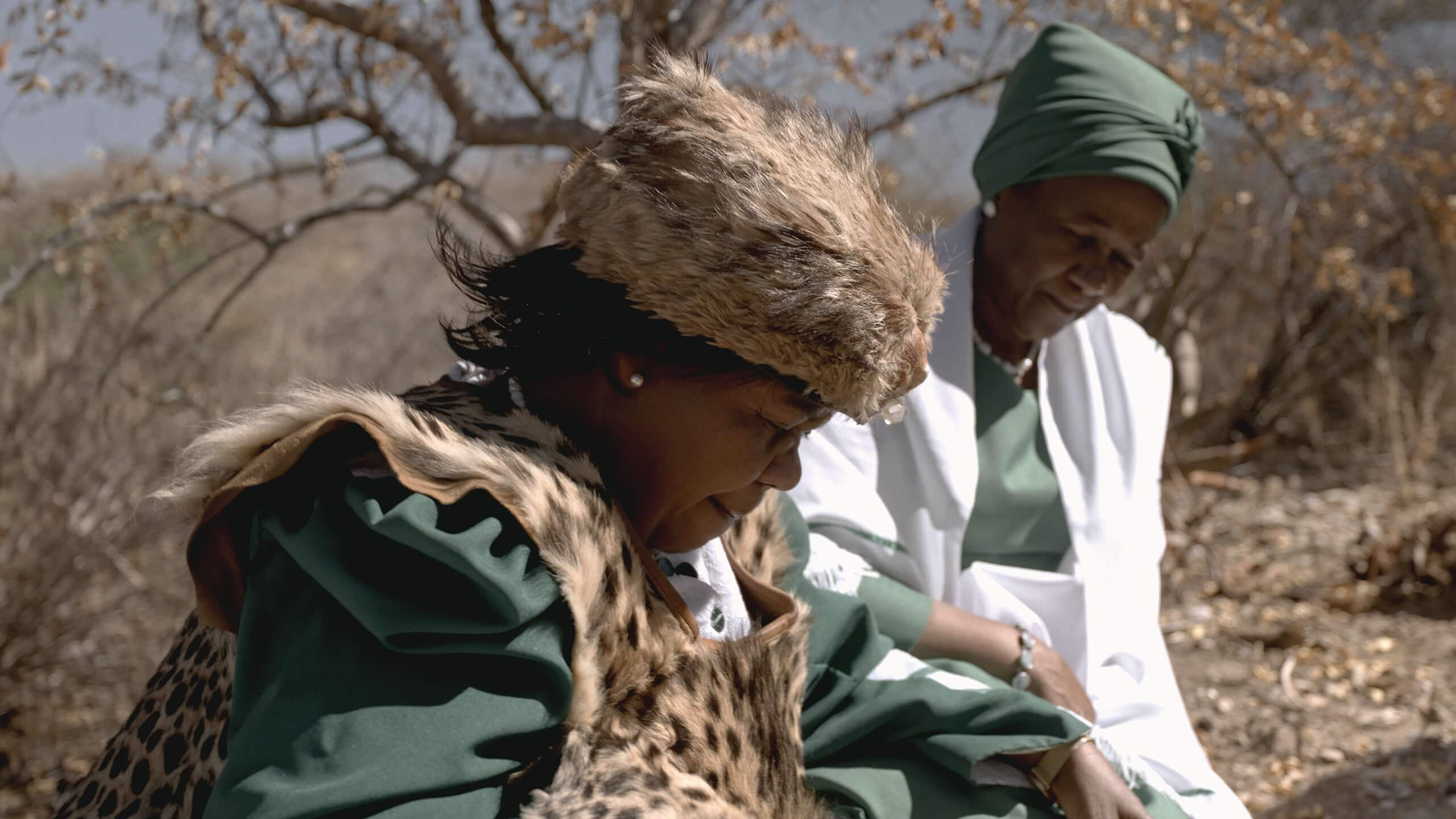
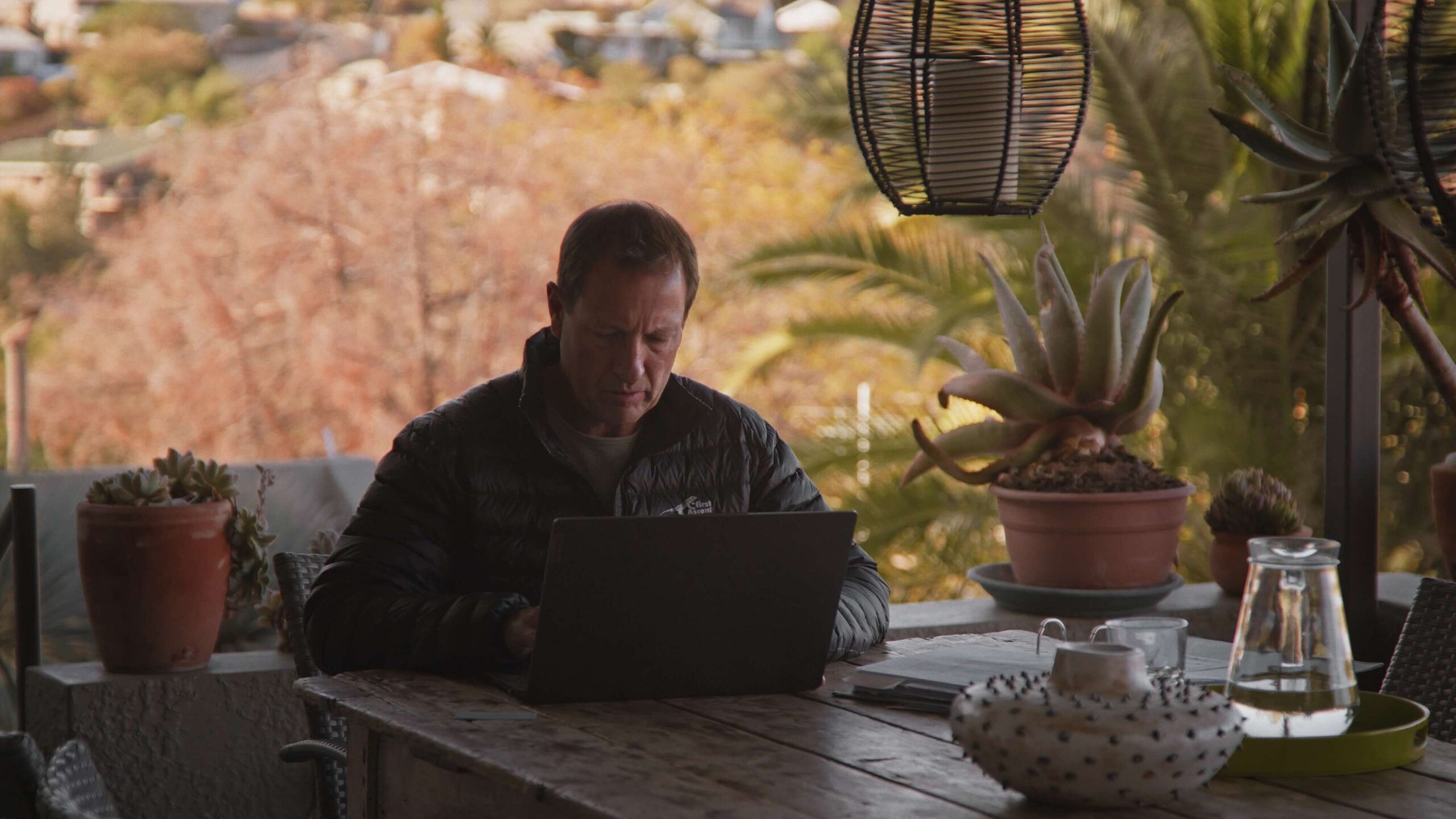
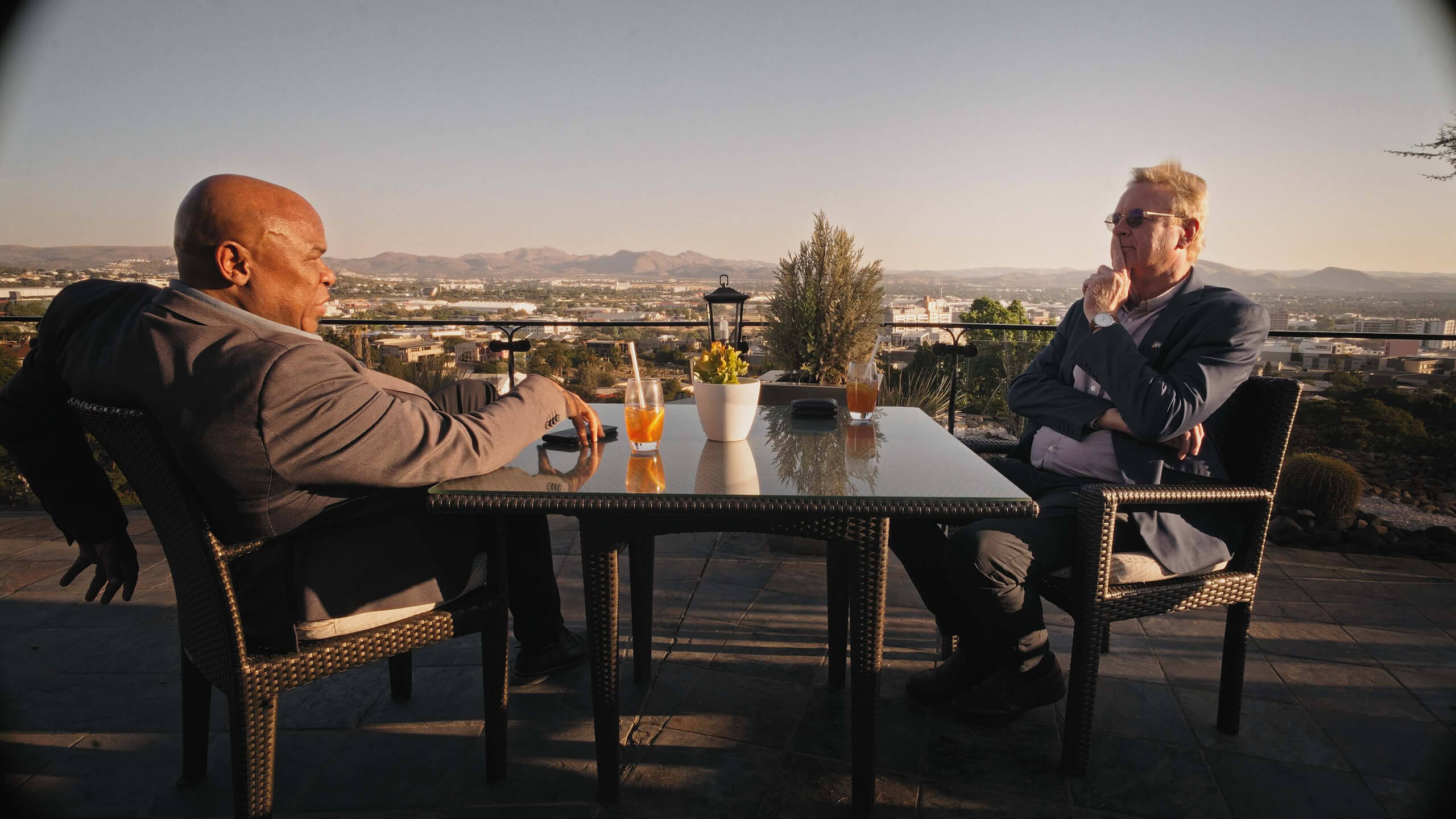
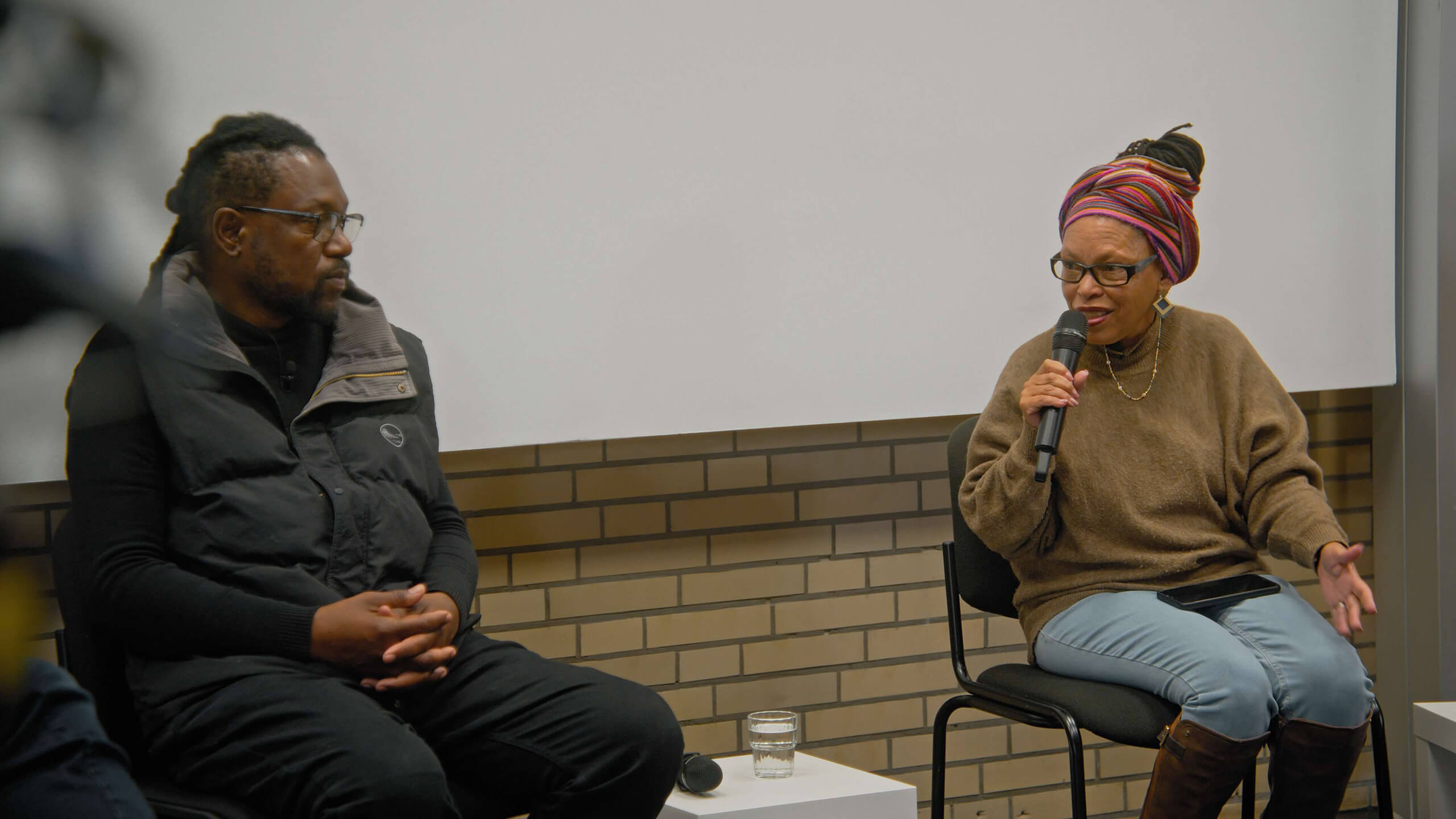
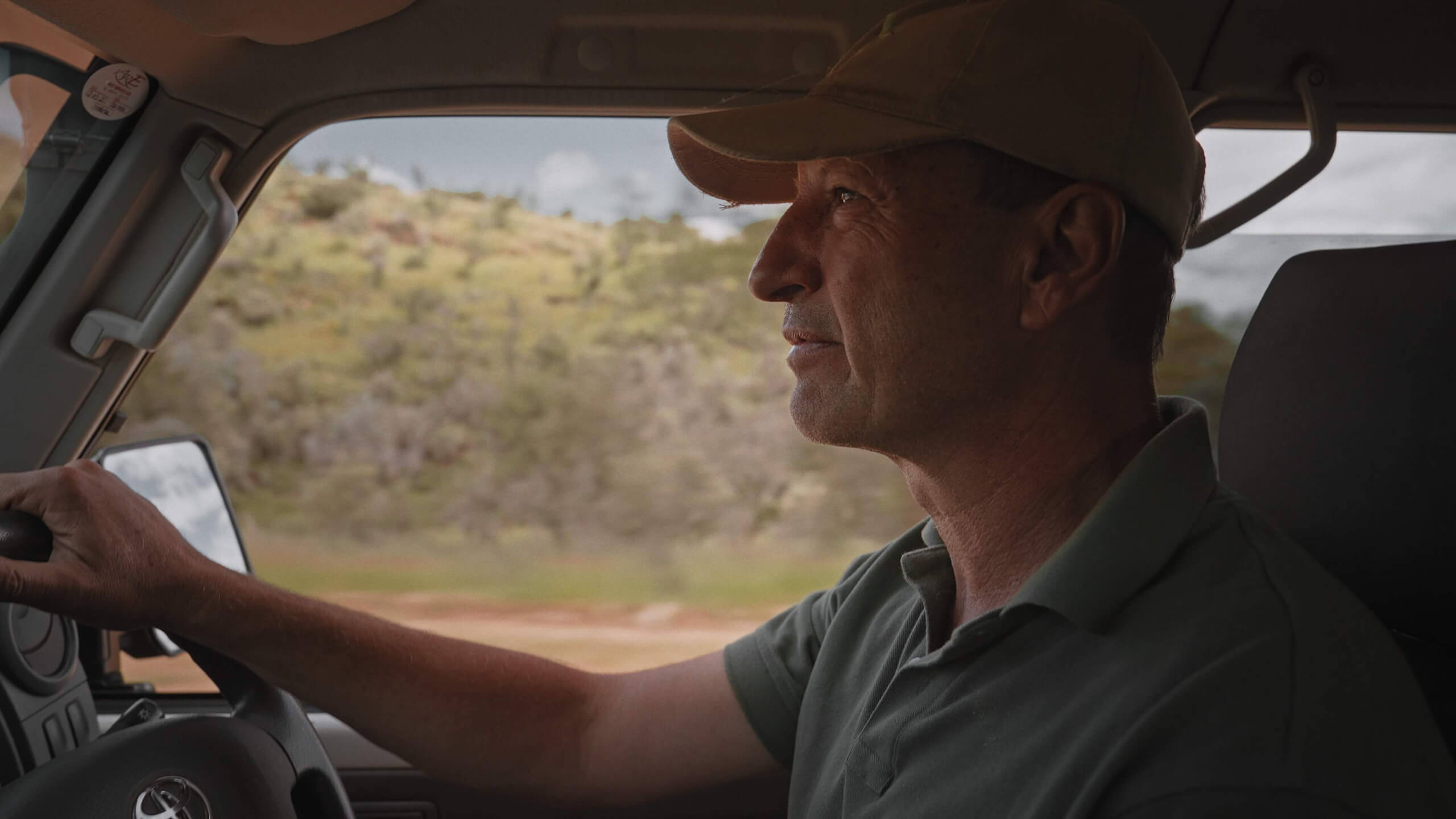
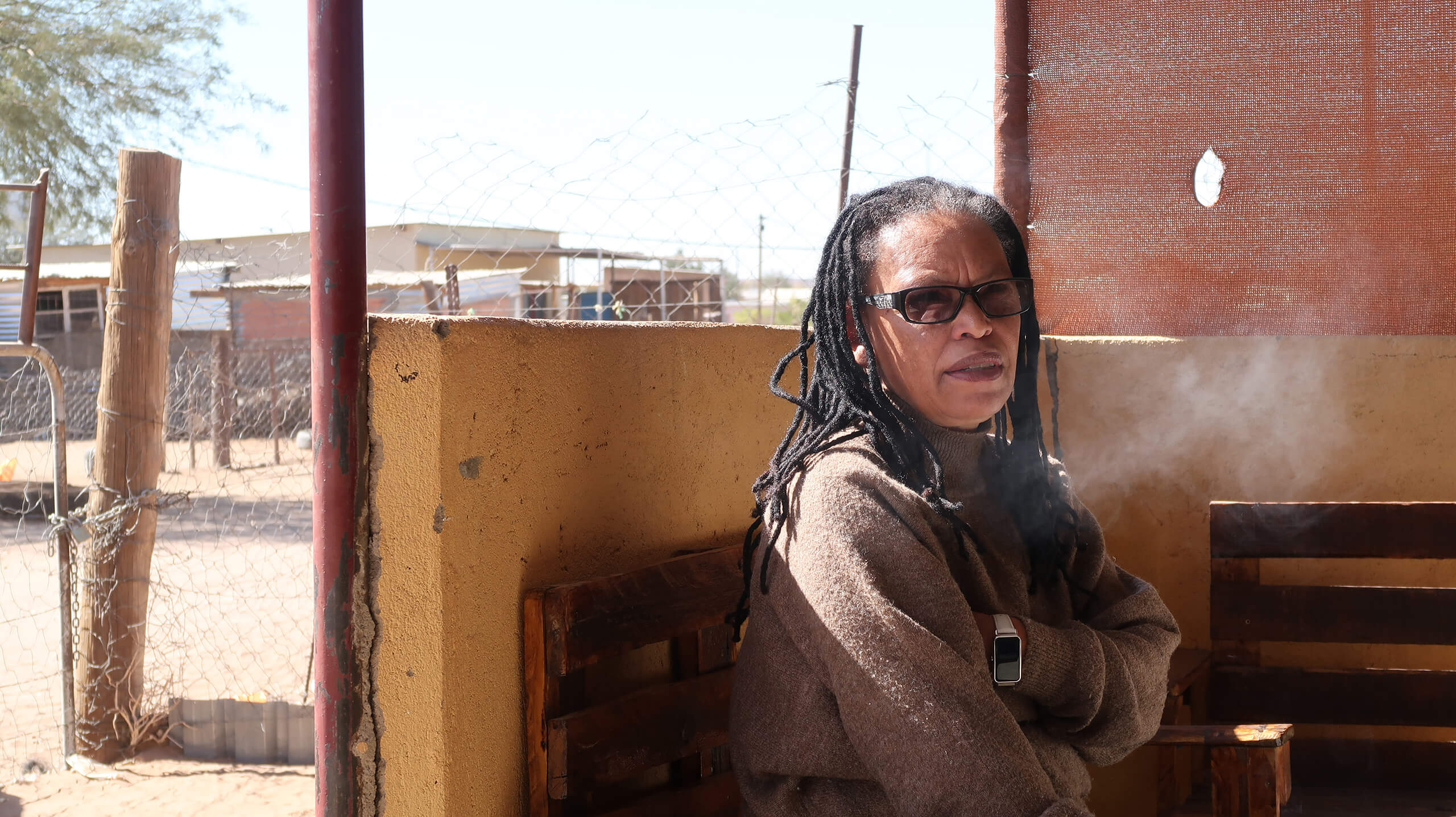
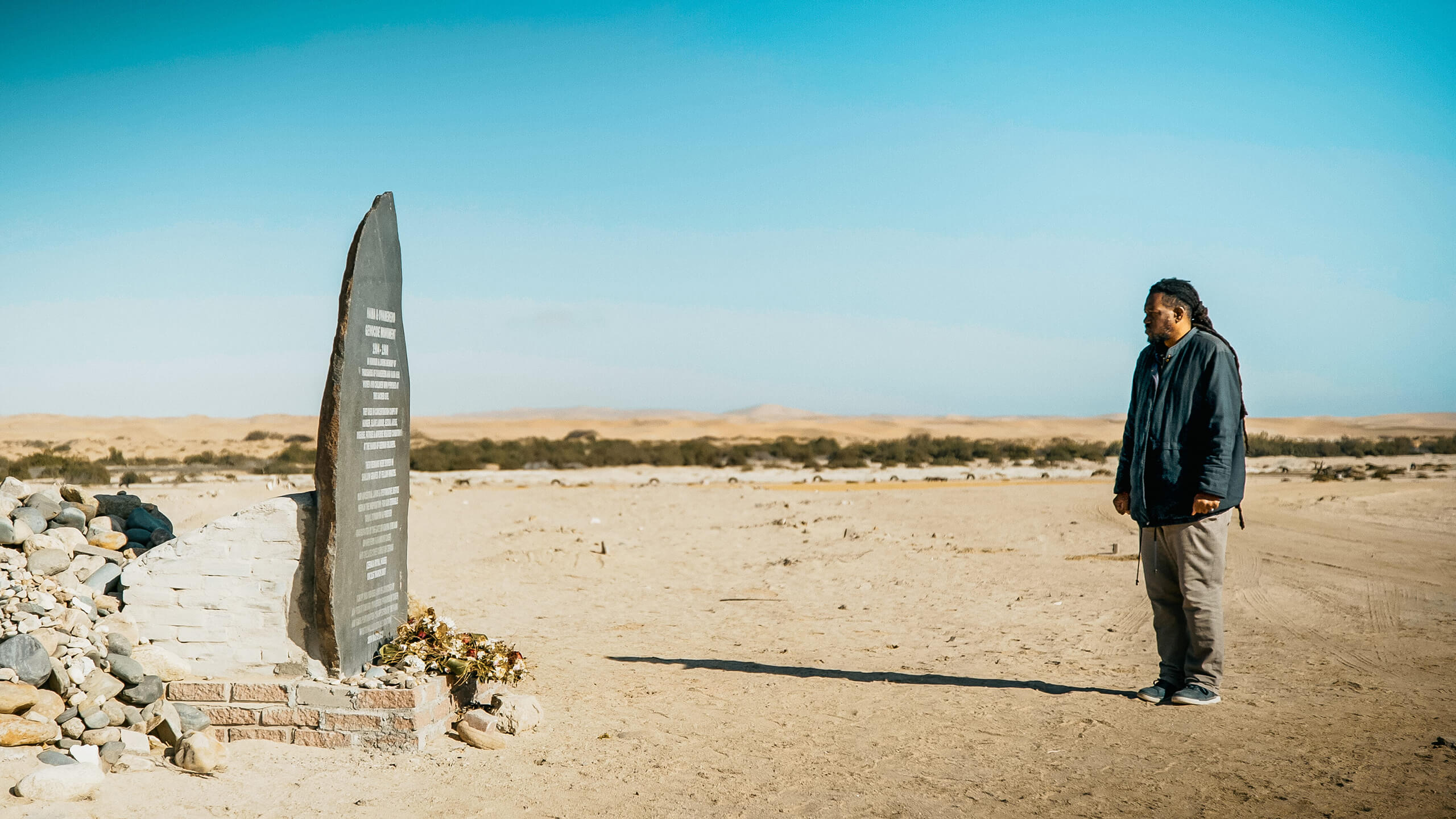
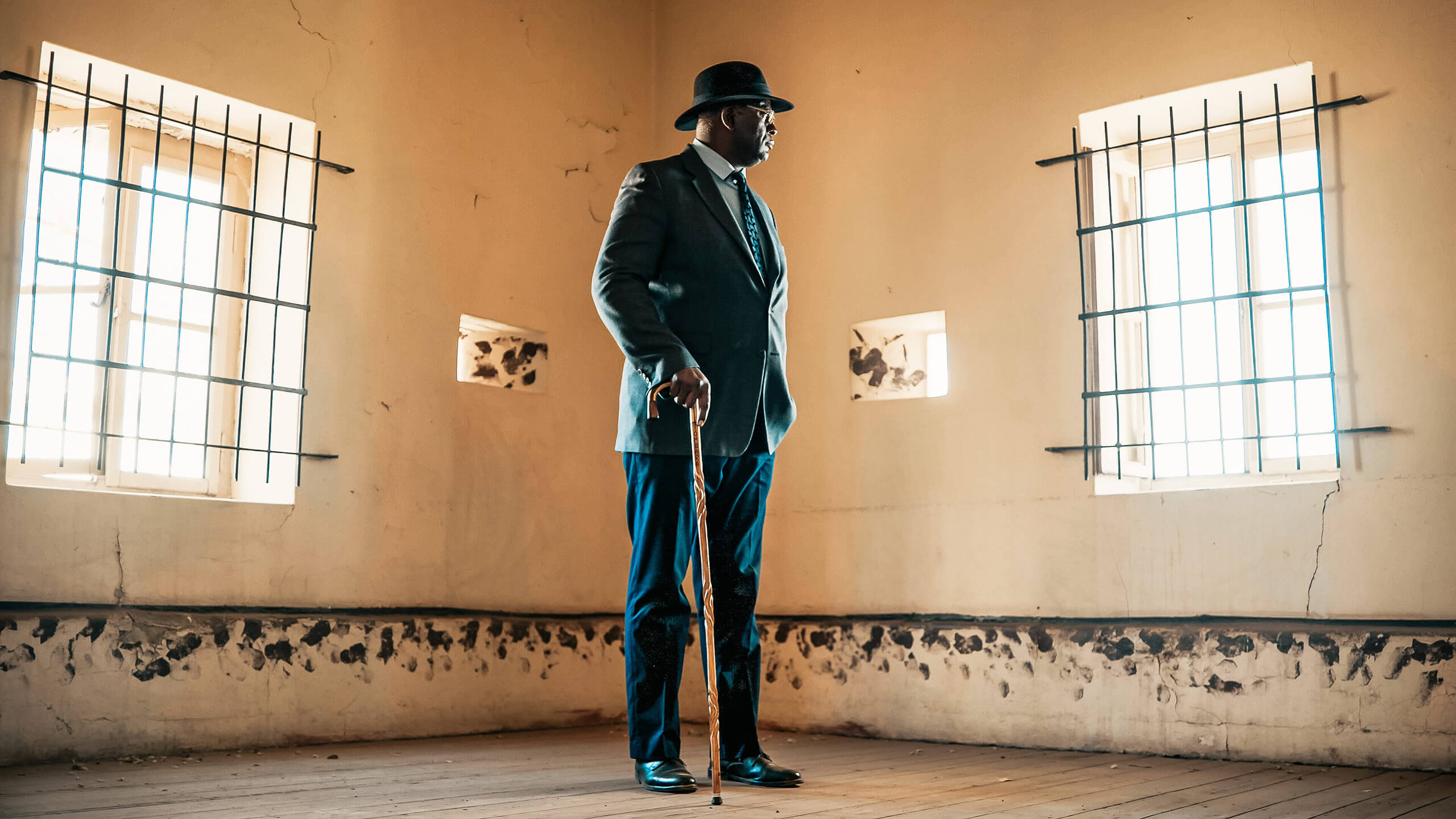
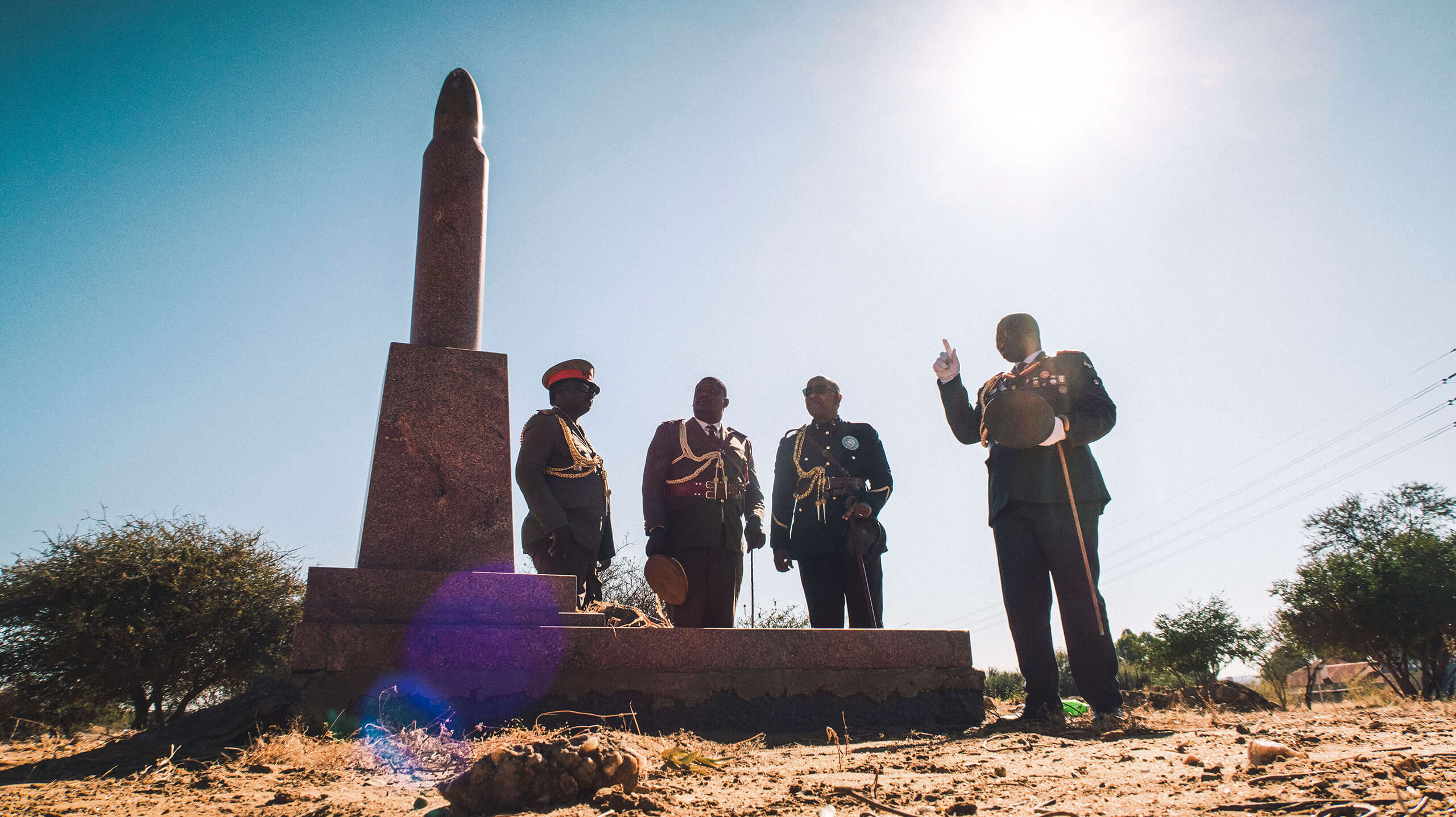
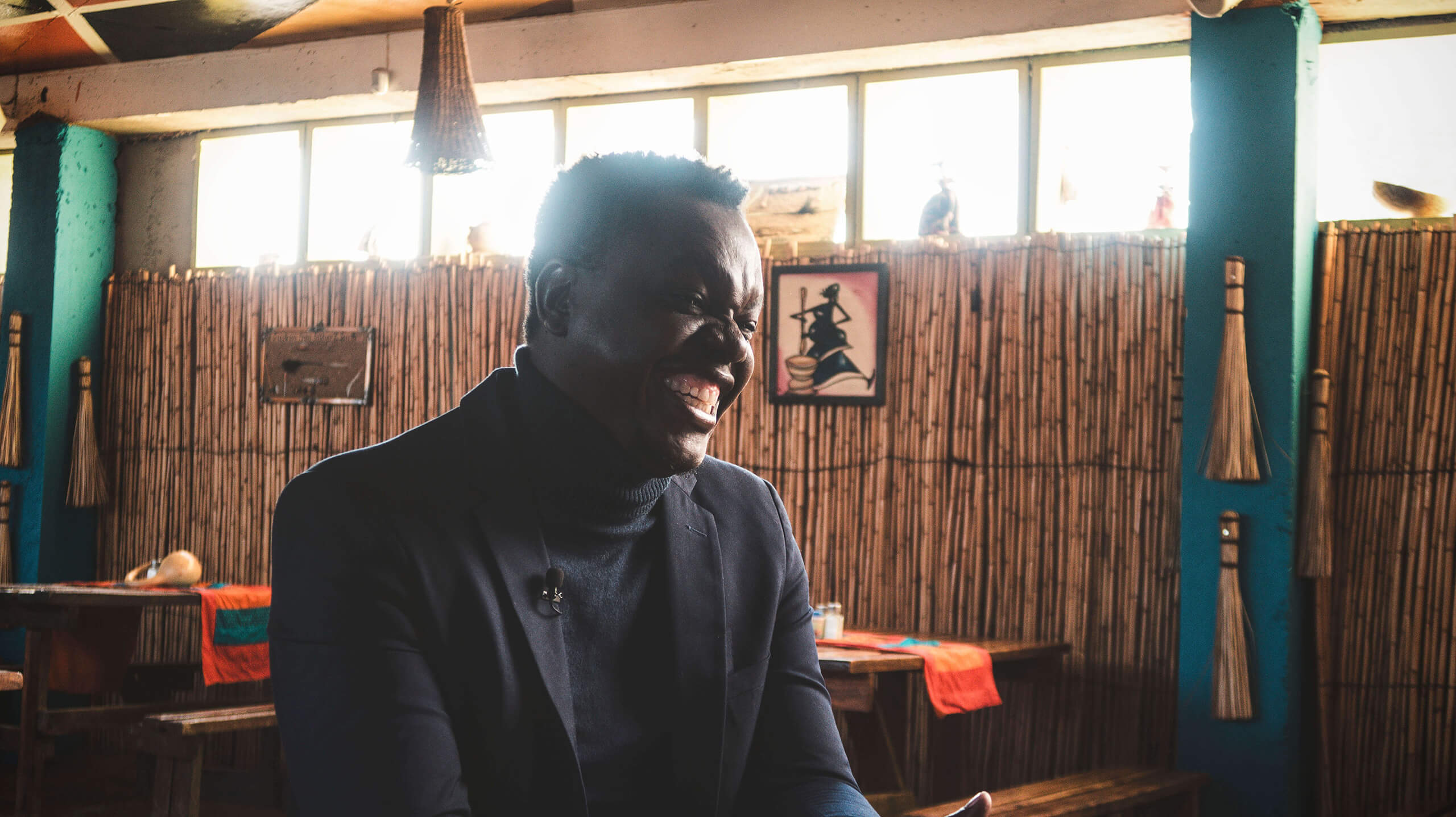
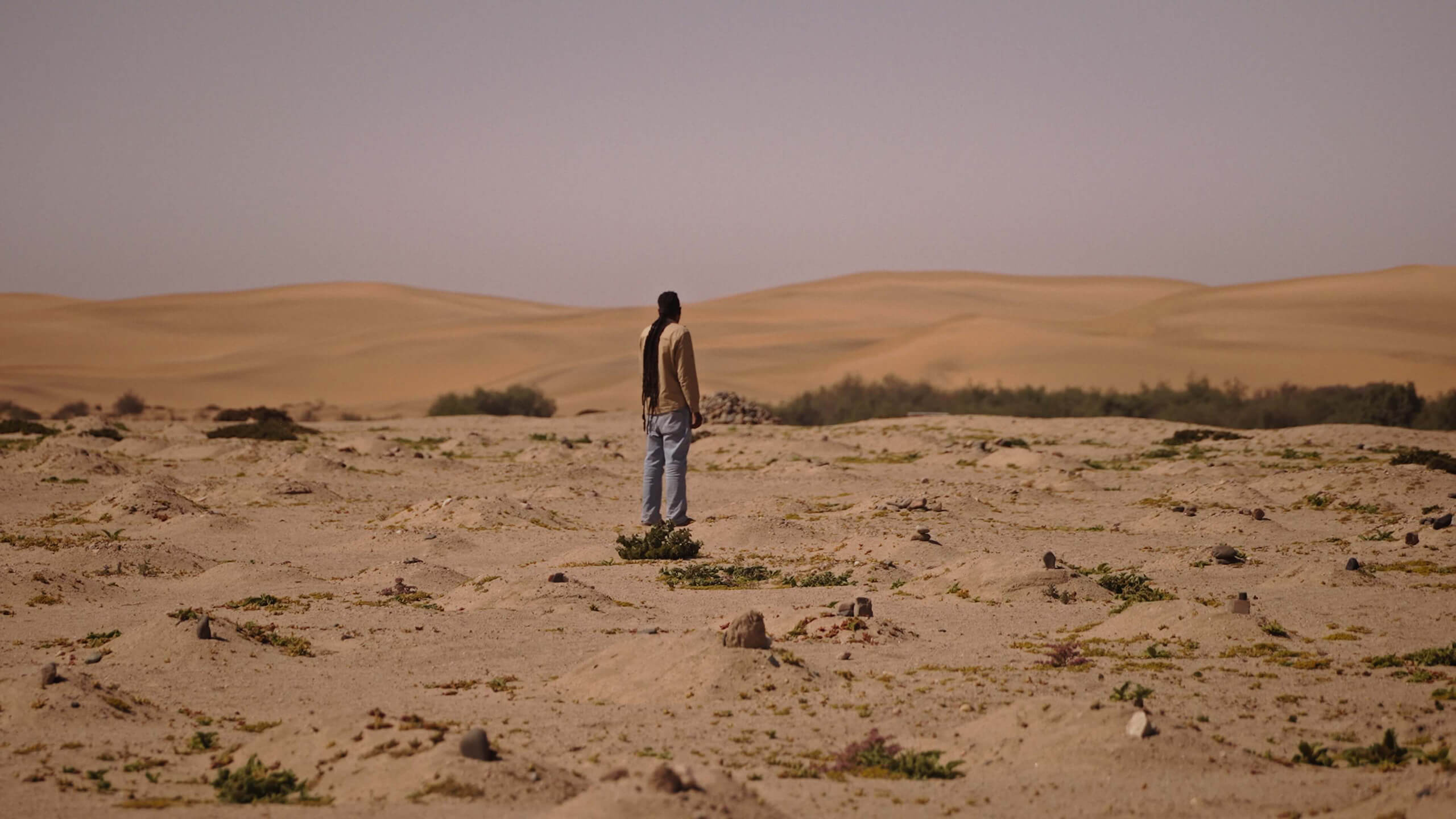
“Sorry For The Genocide” is a documentary film about remembrance, responsibility, and the question of how colonial history continues to resonate today. At the centre of the film are personal perspectives from people in Namibia and Germany whose lives and identities remain shaped by the shared history of both countries. Building on the so-called Joint Declaration between Germany and Namibia, the documentary follows descendants of the Ovaherero, Nama, Damara, and San communities alongside German-speaking Namibians, activists, scholars, and other voices engaged in conversations around remembrance culture, social responsibility, and reconciliation.
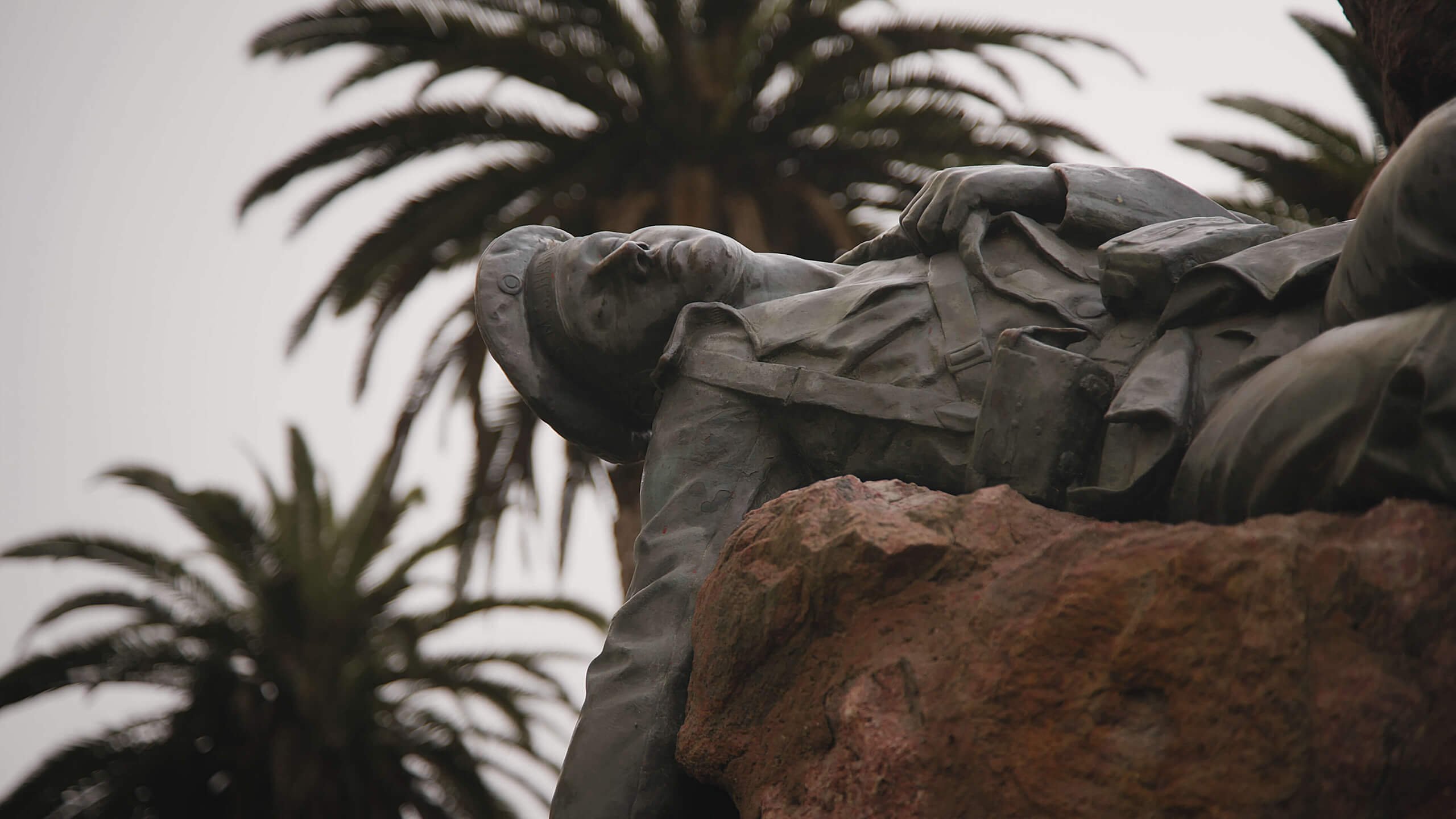
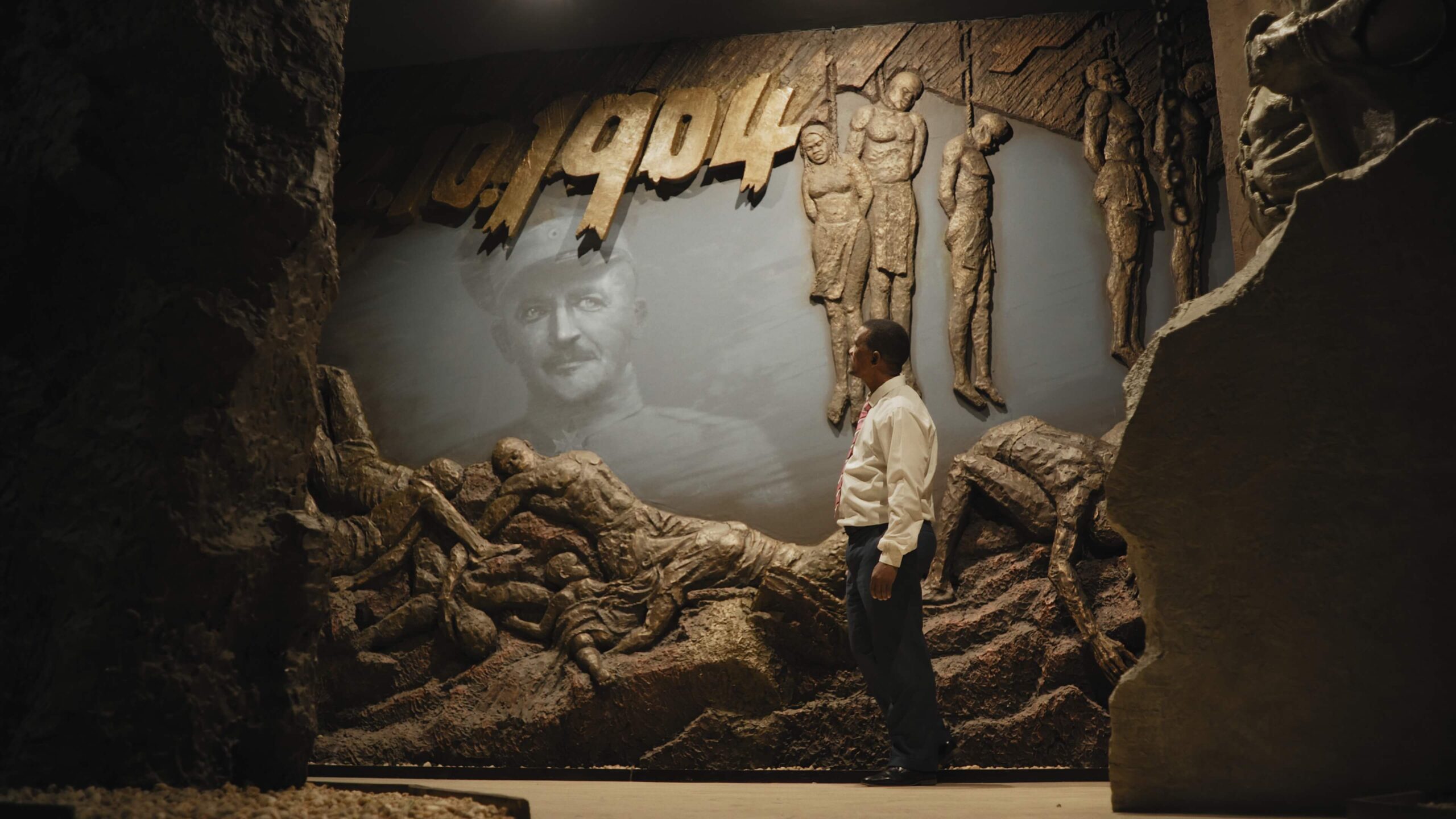
Between 1904 and 1908, German colonial troops committed a crime during colonial rule in what was then German South West Africa that is today recognised as the first genocide of the 20th century. More than a century later, the consequences of colonial violence continue to shape family histories, social structures, and political debates in both Namibia and Germany.
The film interweaves historical, social, and personal perspectives while focusing on the people behind the history. Through conversations, observations, and encounters across Namibia, Germany, and Botswana, “Sorry For The Genocide” becomes a multi-perspective documentary about memory, identity, and the ongoing engagement with the colonial past in the present.
The film was produced by the Cologne-based production company Wave In Motion GmbH in co-production with cineMars and the Namibian production company OBSESSIVE MEDIA CC.
Want to host a screening?
Whether you’re organizing a screening at a school, cinema, festival, or community event, we’d love to hear from you. Get in touch to discuss how we can bring our documentary to your audience.


WORLD PREMIERE
JUNE 03, 2026
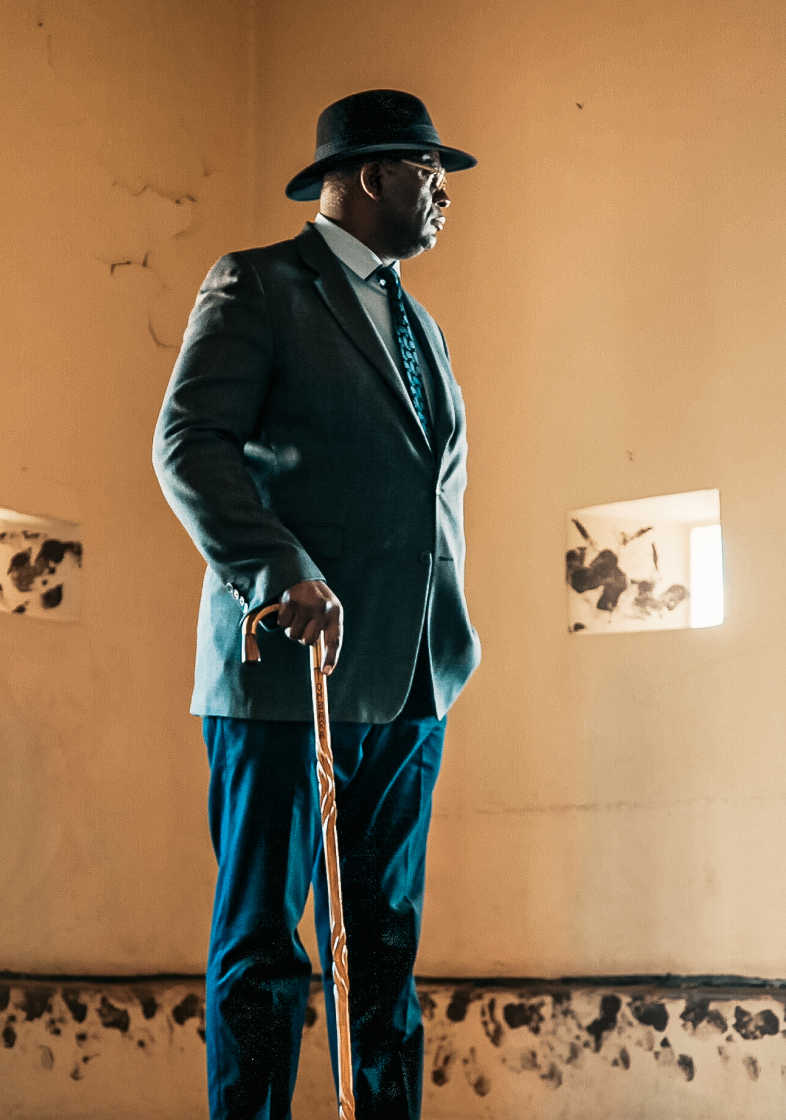
With its world premiere at DOXUMENTALE 2026 in Berlin, “Sorry For The Genocide” marked the beginning of the film’s international festival journey. The documentary explores the lasting impact of German colonial history in present-day Namibia through personal stories, historical perspectives, and contemporary voices from Namibia and Germany.
WORLD PREMIERE
03.06.2026
With its world premiere at DOXUMENTALE 2026 in Berlin, “Sorry For The Genocide” marks the beginning of the film’s international festival journey. The documentary explores the lasting impact of German colonial history in present-day Namibia through personal stories, historical perspectives, and contemporary voices from Namibia and Germany.

“The film is an invitation to confront the issue. It challenges us not only to look, but also to listen – and ultimately to act.”
Theodora Shandé, Producer and Director
THE
PROTAGONISTS
Laidlaw Peringanda
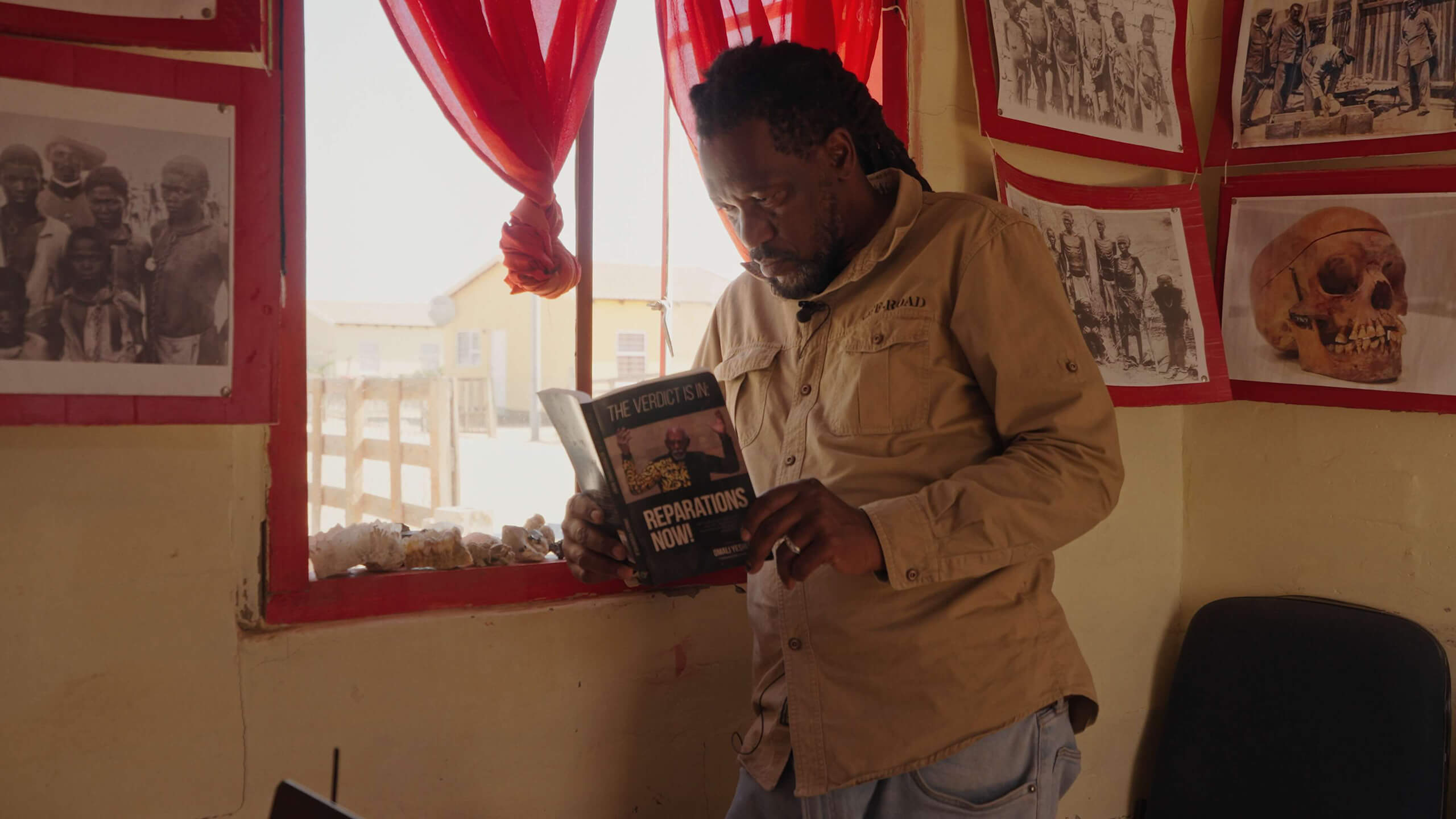
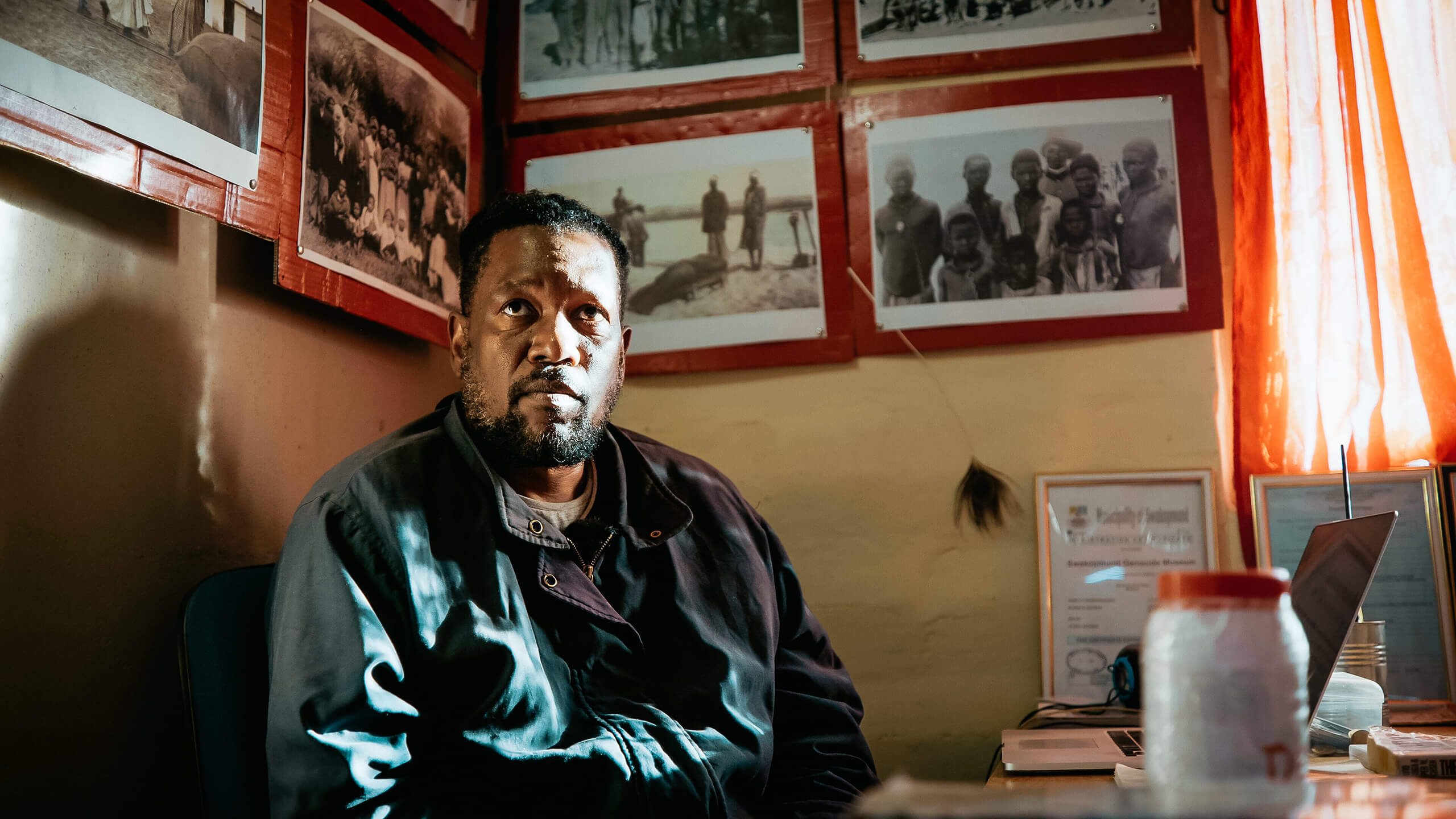
Namibian artist, activist and founder of the Swakopmund Genocide Museum – the first organisation in Namibia dedicated to commemorating the genocide of the Ovaherero and Nama.
Laidlaw is a descendant of Ovaherero leader Hosea Kutako, and his family was directly affected by the genocide. Especially within his role as chairman of the Namibian Genocide Association, he is particularly committed to advocating for the recognition of the genocide and the rights of its descendants.
He is especially critical of the 2021 reconciliation agreement between Namibia and Germany, which, in his view, fails to adequately address the demands and needs of the affected communities.
Sima Luipert
Namibian expert on regional and rural development, committed human rights and social activist, Director of Development Planning at the Hardap Regional Council and Vice-Chair of the Technical Committee on the Nama Genocide within the Nama Traditional Leaders Association (NTLA)
Sima is deeply committed to advocating for the rights of the Nama community and plays a key role in addressing the colonial past. Her great-grandmother was imprisoned in concentration camps such as Shark Island and Okawayo. This personal connection fuels Luipert’s determination to raise awareness of the lasting impact of genocide and to fight for social justice.
Show all
Charles Eiseb
Ovaherero descendant
David Cassius Gertze
Nama chief of the Haboben
Ellison Tjirera
Ovaherero descendant
Gaos Juliana Gawa!nâs
Damara queen and leader of the |Khomanin clan
Harald Hecht
Fourth-generation German Namibian
Hoze Riruako
Ovaherero Paramount Chief
Marius Kudumo
Public policy analyst
Martin Hendrik
San Chief
Christoph Scholz
Third-generation German Namibian
Ndiriro Kauari
Ovaherero descendant
Salomo Hei
Maherero descendant
Mutjinde Katjiua
Ovaherero Paramount Chief
Gottlieb Kazombiaze
Okandjira Ovaherero
descendant
Rupert Tjitee Isaac Hambira
Okandjira Ovaherero descendant in the diaspora
Ruprecht Polenz
Lead negotiator from 2015 to 2019
THE
HISTORY
1884/85
Following the Berlin Conference, Namibia — then known as German South West Africa — was officially annexed by the German Empire. This marked the beginning of the colonization of Namibia.
1893
The first major wave of German settlers arrived in Namibia and established agricultural communities in the central highlands.
1895
The German colonial troops were established to secure German control over South West Africa. Their mission: to defend colonial interests and brutally suppress any resistance from indigenous groups seeking to reclaim their land and freedom.
1904
In August 1904, German troops under the command of Lieutenant General Lothar von Trotha defeated Herero leader Samuel Maharero in the infamous “Battle of Waterberg.” Shortly afterward, von Trotha issued an extermination order.
1904 – 1908
German forces carried out a relentless campaign against the Herero and Nama peoples. Survivors were subjected to inhumane conditions in concentration and labor camps. Herero land was confiscated and redistributed to German settlers. It is estimated that up to 75% of the Herero population and at least 50% of the Nama population were killed by German forces.
1907
Lieutenant General Lothar von Trotha was recalled to Berlin. His policies and actions in Namibia had sparked widespread condemnation in both Africa and Europe.
Show more
1915
German colonial rule over South West Africa came to an end when Allied and South African forces took control of the territory during World War I. Germany’s colonial ambitions in the region collapsed.
1919
The Treaty of Versailles in 1919 marked the official end of Germany’s colonial ambitions and forced the German Empire to relinquish control over its colonies, including South West Africa. Although German rule came to an end, the injustices and systemic inequalities established during this period continued under South African administration in Namibia.
2015
Namibia and Germany began official negotiations regarding the genocide of the Herero and Nama peoples. While these talks represented a step forward, they also sparked debates about justice, inclusion, and the adequacy of reparations for the affected communities.
2016
For the first time in history, the German government officially recognized the genocide of the Herero and Nama peoples in an official document.
2021
Then German Foreign Minister Heiko Maas announces a reconciliation agreement in which Germany officially recognizes the atrocities committed against the Herero and Nama as genocide. The agreement included a commitment of €1.1 billion over a period of 30 years for infrastructure and development aid in Namibia, without, however, offering reparations. Herero and Nama critics describe the agreement as “unacceptable” and point to the exclusion of important voices and the inadequacy of the proposed aid.
1915
German colonial rule over South West Africa came to an end when Allied and South African forces took control of the territory during World War I. Germany’s colonial ambitions in the region collapsed.
1919
The Treaty of Versailles in 1919 marked the official end of Germany’s colonial ambitions and forced the German Empire to relinquish control over its colonies, including South West Africa. Although German rule came to an end, the injustices and systemic inequalities established during this period continued under South African administration in Namibia.
2015
Namibia and Germany began official negotiations regarding the genocide of the Herero and Nama peoples. While these talks represented a step forward, they also sparked debates about justice, inclusion, and the adequacy of reparations for the affected communities.
2016
For the first time in history, the German government officially recognized the genocide of the Herero and Nama peoples in an official document.
2021
Then German Foreign Minister Heiko Maas announces a reconciliation agreement in which Germany officially recognizes the atrocities committed against the Herero and Nama as genocide. The agreement included a commitment of €1.1 billion over a period of 30 years for infrastructure and development aid in Namibia, without, however, offering reparations. Herero and Nama critics describe the agreement as “unacceptable” and point to the exclusion of important voices and the inadequacy of the proposed aid.
SCREENINGS
UPCOMING
PAST
Marianum Gymnasium, Meppen
18.09.2026
18.09.2026
Marianum Gymnasium, Meppen
Gymnasium Antonianum, Geseke
10.09.2026
10.09.2026
Gymnasium Antonianum, Geseke
Gesamtschule Rodenkirchen, Köln
04.09.2026
04.09.2026
Gesamtschule Rodenkirchen, Köln

THE
CREDITS
DIRECTOR
PRODUCER
CO-PRODUCER
Editor
Additional Editors
Director of Photography
Stefan Heilmann
Camera Namibia
Camera Botswana
Camera Hamburg
Colorist
Composer
Sound Designer
Re-Recording Mixer
Show all
Production Assistant
Marie Geier
Tanja Paeffgen
Production Coordinator Namibia
Production Assistant Namibia
Delgado Coetzee
Set Runner Namibia / Behind the Scenes
Anja Sant’Unione
Production Coordinator Botswana
Aerial Footage
Assistant Editors
Daria Zekert
Katharina Filippov
D-Cinema-Grading Suite
Management and technical consultancy
Grading Consultancy
DCP Mastering und QC
Nadine Görmar
Anne-Marie Zillmann
Joel Oxé
Additional Music
Supervising Sound Editor
Foley Artist & -Editor
Foley Mixer
On Set Sound
Andy Kalonda
Illustrations
Dario Falcke
2D-Animator
Jonas Schier
Motion Graphics
Stefan Heilmann
Mona Heinemann
Research
Marie Geier
Katharina Filippov
Source
Translation
Betuel Nawabeb
Vincent Kazongominja
Speakers
Celma Ndhikwa
Denver Isaacs
Ndishishi Hamufungu
PR & Marketing
Marie Radix
Hanna Kirsch
Mona Heinemann
Leonie Holtbrink
THE IMPACT
GOALS
EMPOWERING AFFECTED COMMUNITIES
With this project we aim to foster dialogue between Ovaherero, Nama, Damara, and San communities whose experiences are often discussed separately. Through local screenings, community conversations, and partnerships with local organisations, we seek to support exchange around memory, identity, representation, and the future.
ADVANCING PUBLIC AWARENESS & EDUCATION
Through screenings, educational initiatives, and public dialogue, we seek to raise awareness of German colonial history and its lasting consequences. By working with schools, educators, and civil society organisations, we aim to promote historical-political education, democratic participation, and a deeper understanding of the shared history between Germany and Namibia.
SUPPORTING PLACES OF REMEMBRANCE
The project seeks to support and strengthen local initiatives dedicated to preserving the memory of the genocide. Together with our protagonist Laidlaw Peringanda and the Swakopmund Genocide Museum, we aim to contribute to the visibility, development, and long-term sustainability of spaces that foster education, remembrance, and dialogue for future generations.
MEDIA
Le Nouvelliste
tipBerlin
Deutschlandfunk Kultur
NBC Digital News
MEDIA
Le Nouvelliste
CONTACT
Germany
Producer and Director
Theodora Shandé
t.shande@wave-in-motion.de
Namibia
Director
Elmarie Kapunda
namibiannarrative@gmail.com
FOLLOW US
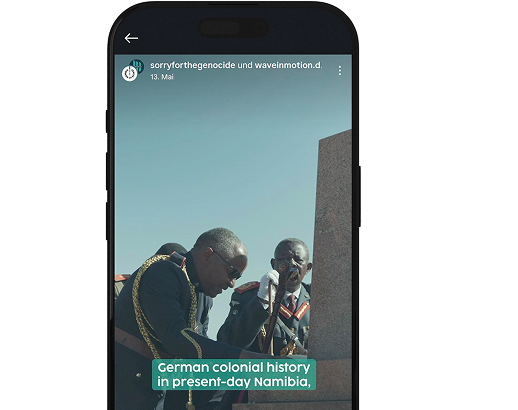
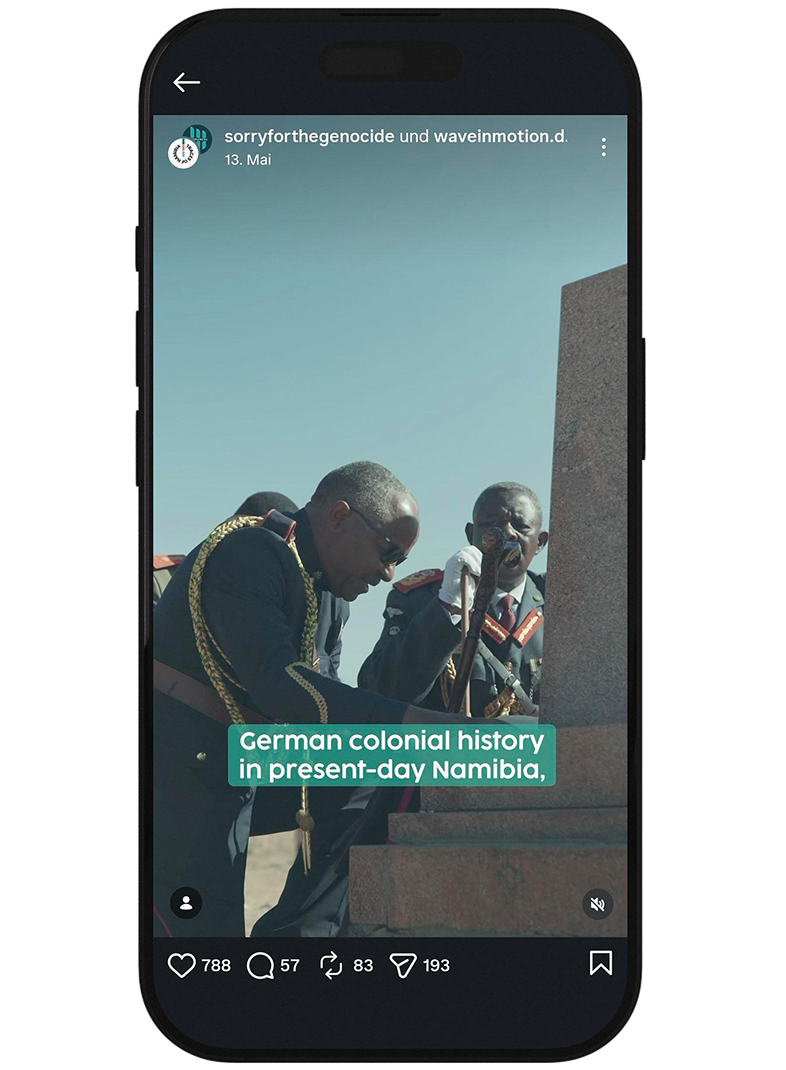
Follow the journey of “Sorry For The Genocide” across festivals, screenings, impact events, and behind-the-scenes insights. Stay connected with the project and receive updates, new releases, and perspectives surrounding the documentary and its ongoing conversations.
FOLLOW US
Lorem ipsum dolor sit amet, consectetur adipiscing elit. Ut elit tellus, luctus nec ullamcorper mattis, pulvinar dapibus leo.
STAY UP TO DATE
Sign up to receive monthly updates on Sorry For The Genocide.
Be the first to discover film releases, screenings, our impact goals, and behind-the-scenes voices — shared with care, integrity, and purpose.
STAY UP TO DATE
Sign up to receive monthly updates on Sorry For The Genocide.
Be the first to discover film releases, screenings, our impact goals, and behind-the-scenes voices — shared with care, integrity, and purpose.
SPECIAL THANKS TO